
General Pest Control · Denver, CO
General Pest Control Across Colorado: Mosquito, Flea and Tick Treatment
Ants crossing a kitchen counter can turn a quiet morning into a cleanup routine; a glue board can help show where activity continues without spraying the surface. Colorado Pest Solutions handles residential pest control across Colorado, and a bait station gives targeted pests a contained place to feed.
- Serving since 2015
- Colorado commercial pesticide applicator licensing
- Insured for residential pest-control work
- National Pest Management Association membership
Common problems we solve
Scratching sounds inside bedroom walls
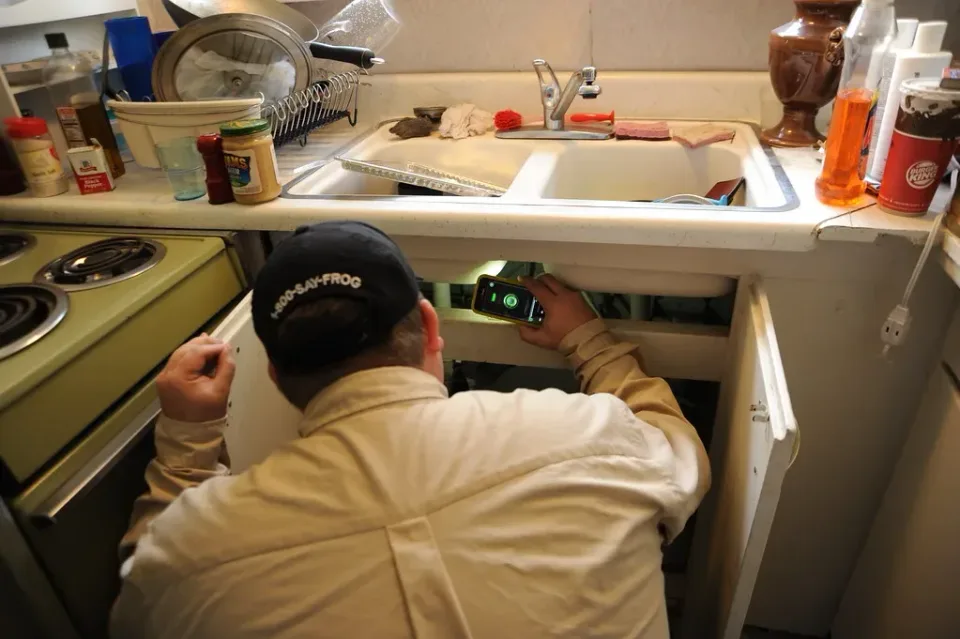
Mouse droppings beneath kitchen sink
Cockroaches appearing after lights go out
Bed bug bites after overnight sleep
Wasps entering through roofline gaps
11+
Years serving Denver, CO
24
Areas served
General Pest Control Covers Specific Colorado Jobs
When pests keep returning, homeowners and property managers need a service matched to what is actually present. We inspect, explain the finding, and recommend only work that fits the evidence. Treatment frequency depends on the pest and the site, so we consider the conditions that can support activity before setting a service interval.
- Ant Treatment: We trace kitchen trails toward entry points and nesting areas; see our Ant Treatment page for details.
- Spider Treatment: We check recurring activity around likely harborage, including window and basement areas.
- Mouse Extermination: We investigate signs and access points, then discuss rodent exclusion and entry-point sealing where appropriate.
- Cockroach Extermination: We target confirmed activity rather than relying on a surface-only application.
Bed bug eggs often hatch within 6–10 days, which is why a bed bug plan may need follow-up timed to the pest’s life cycle. FIFRA pesticide labeling provides use directions that guide product selection and application.
U.S. Environmental Protection Agency pesticide labels are not optional reading; we follow them for each job.
Colorado’s freeze-thaw cycles can open foundation and siding gaps, so an inspection may include those vulnerable edges. Ask us to review the issue and outline the appropriate scope.
What Drives General Pest Control Costs in Colorado?
A few insects in one room and activity spread through a large home are not the same job. We provide clear, itemized quotes after assessing the scope and site conditions.
A general pest visit is typically $150–$350, with infestation level and home size shaping the work. Ant treatment commonly falls between $150 and $300; species and nesting locations affect where and how we treat.
Rodent control is often $250–$600 because access points and follow-up visits change the scope. Bed bug treatment can run $1,000–$2,500 depending on the number of rooms and treatment method.
German cockroach adults are about 12–15 mm long; identifying the pest helps us avoid treating the wrong problem. For precise placement, a technician may use a 1–2-gallon handheld sprayer tank, with the application area guiding equipment choice.
A Denver International Airport-area property and a mountain home can have different access conditions; temperature swings also complicate exterior treatment timing. Estimates vary by infestation, property access, and treatment method; final quotes depend on scope and site conditions. Call (877) 729-2528 for a final quote.
How to Keep Colorado Pesticide Work Label-Compliant
Before treatment, customers should know what is being applied and what directions govern its use. Colorado’s Pesticide Applicators’ Act, C.R.S. 35-10, sets a state framework for pesticide applicators; Colorado pesticide regulations, 8 CCR 1203-2, add requirements that guide how work is conducted. We explain the planned application and follow the rules that apply to the job.
FIFRA pesticide labeling and use requirements direct how a product may be applied, including where and how it can be used. The Colorado Department of Agriculture oversees pesticide matters in the state, and we keep those requirements in view when planning service. Colorado freeze-thaw cycles can open foundation and siding gaps, but sealing or treating a property still requires a site-specific assessment.
For disposal, EPA pesticide container disposal requirements matter because containers should not simply be discarded with household waste. RCRA hazardous waste rules apply to pesticide waste where relevant. We handle work and cleanup according to applicable directions, and customers should follow the product’s reentry instructions before returning to treated areas.
Why us
Why Colorado Pest Solutions
Local knowledge and clear communication help Colorado homeowners understand the work planned for their property.
Colorado Know-How
The company grew from field work in the Denver area, where freeze-thaw cycles and older homes can affect pest activity. That experience helps the team consider local conditions during inspections.
Clear Scope
Technicians inspect, explain what they find, and coordinate treatment or exclusion around your home and pest concerns. You can discuss the proposed work before service begins.
Regional Scheduling
Appointments are coordinated from Denver, with service scheduled across Colorado's regional markets. The team can account for local access and conditions when arranging a visit.
Through the year
Pest Control Through Colorado's Seasons
Spring
Spring snowmelt can leave basements damp, while warm spells may bring early insect activity. An inspection can help identify conditions around the home that need attention and shape a plan for the property.
Summer
Hot, dry weather can increase irrigation and landscape watering, while thunderstorms bring sudden rain and hail. A service visit can check how moisture, damaged screens, or roof openings may affect pest access.
Fall
Temperature swings can complicate exterior treatment timing, and changing conditions may reveal gaps around siding or foundations. An inspection can check likely entry areas and help plan suitable treatment or exclusion work.
Winter
Cold weather can drive rodents indoors, while freeze-thaw cycles may open gaps around foundations and siding. A property inspection can identify activity and access points, even when regional conditions affect travel or exterior work.
Ready to get started?
Call to talk through your job in Denver, CO.
Featured Work & Projects
Browse our recent jobs and quality workmanship for customers across Denver, CO.
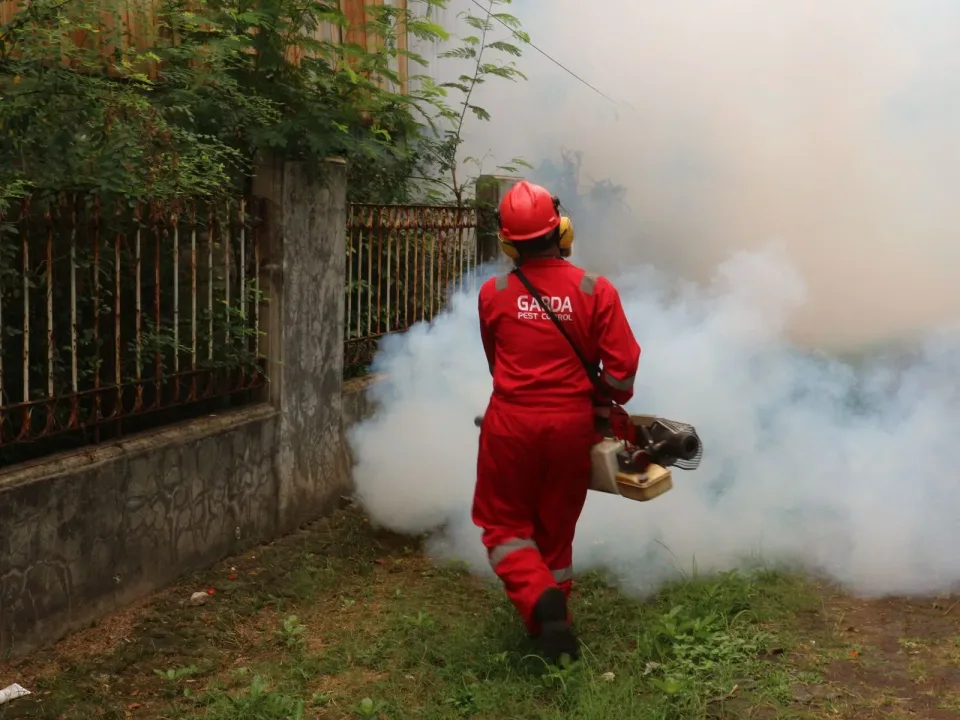
Thermal Fogger — Pest Control
Denver, CO
Pest Control Technician — Outdoor Service
Denver, CO
Pest Control Technician — Residential Service
Denver, CO
FAQ
General Pest Control FAQs in Denver, CO
Straight answers for customers in Denver, CO on pricing, delivery, and scheduling.
How often should General Pest Control be done in Colorado?
There is no single schedule for every property because pest pressure and site conditions differ. We use inspection findings and service records to recommend an interval suited to the pest and the activity observed.
When are yellow jackets most active in Colorado?
Warm-season activity can make yellow jackets more noticeable around outdoor food and nesting areas, but timing varies with conditions. Keep distance from a nest and share its location with Colorado Pest Solutions so we can assess the situation safely.
Are General Pest Control treatments safe for pets?
Safety depends on the product and its label directions, including the stated re-entry interval. Secure pets before service and keep them away from treated areas until the technician’s instructions say they may return.
Can residual treatment help with ants trailing across kitchen counters?
Yes, residual treatment may be appropriate when inspection identifies where ants travel and where the product can be applied according to its label. Clean food spills and store pantry items securely while the technician explains any sanitation recommendations.
Should I save photos before calling about Denver pest control?
Yes, clear photos and notes about when and where you saw activity can help us scope the inspection, especially when pests appear briefly. Colorado Pest Solutions can use those details to discuss the affected rooms, access, and a practical next step.
Local Leadership
Meet Your Local Experts
Daniel Reyes Lead Expert
Colorado Pest Solutions
"Practical Pest Control Across Colorado"
I started in pest control as a field technician in the Denver area, learning how freeze-thaw cycles and older homes can bring rodents and insects indoors. I built this company to give Colorado homeowners clear inspections and treatment plans grounded in the conditions we see here.
11+ years experience Colorado commercial pesticide applicator licensing Insured for residential pest-control work National Pest Management Association membership
Get a Quote
Get a General Pest Control Quote in Denver, CO
Share job details below or call our team directly. Phone: (877) 729-2528
Cities & Towns
Service Areas in Denver
Select a city to find local general pest control providers we cover in Denver.
Fort Collins, CO80528Lakewood, CO80232Arvada, CO80005Longmont, CO80501Broomfield, CO80023Grand Junction, CO81503Parker, CO80138Erie, CO80516Clifton, CO81520Fruita, CO81521Wellington, CO80549Fort Morgan, CO80701Fort Lupton, CO80621Stonegate, CO80134Roxborough Park, CO80125Salida, CO81201Eaton, CO80615Brush, CO80723Todd Creek, CO80602Strasburg, CO80136Meridian Village, CO80134Cedaredge, CO81413La Salle, CO80645Idaho Springs, CO80452